
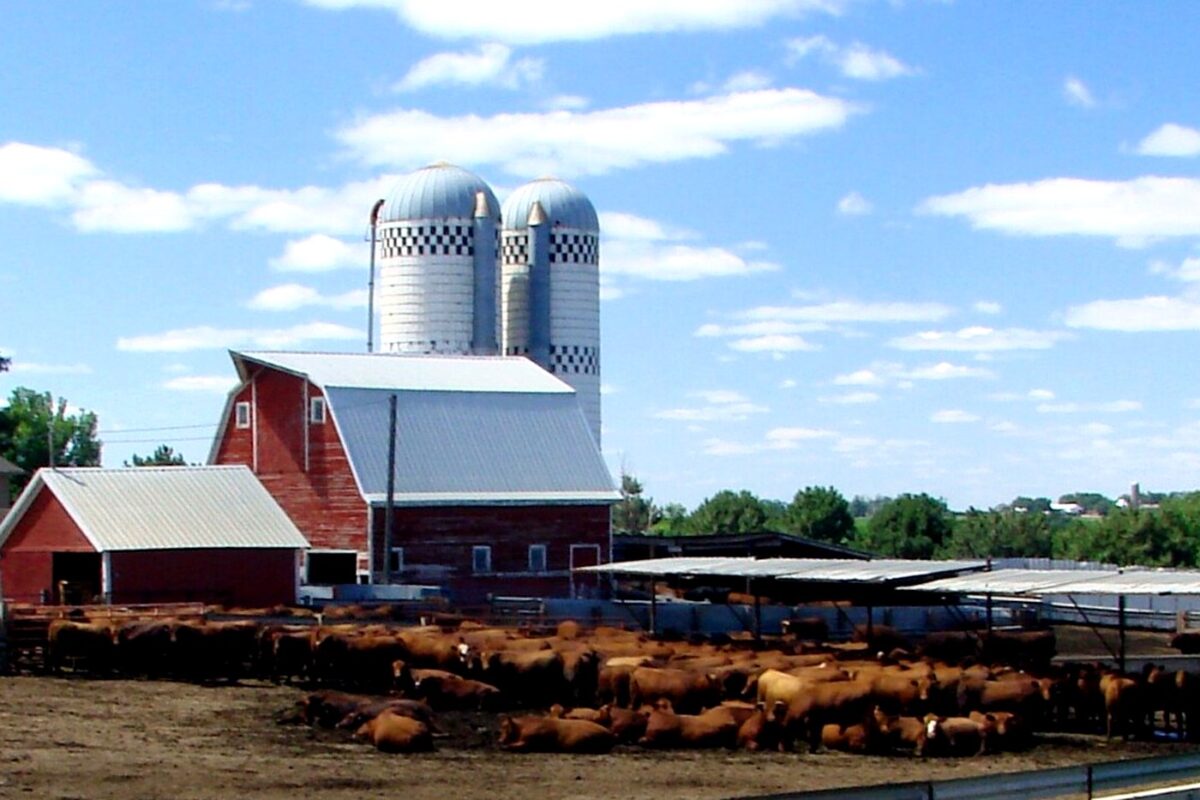
Livestock farming in Gia Lai has advantages in terms of land availability and feed material sources, but it also faces strong pressure on output prices and environmental requirements. Biosecurity has therefore become a mandatory condition rather than a recommendation.
Three pillars of a stable farm
- Livestock housing design: well-ventilated, temperature-controlled, with isolation and sale areas separated to limit infection.
- Waste treatment: collection, composting or biological treatment systems to ensure no odor and no contamination of water sources.
- Offtake linkage: offtake contracts based on weight and quality help reduce price risk.
Commonly overlooked points
Many farms invest well in breeding stock and feed but lack control over entry and exit: transport vehicles, delivery personnel and work tools can be major disease transmission routes. Arranging disinfection gates, regulations on changing protective clothing and entry/exit logs are low-cost but highly effective measures.
In terms of infrastructure, internal roads and drainage systems within the farm should be planned from the outset to avoid renovation when the scale increases. For the waste treatment area, reserve space for expansion.
Quang Duc’s development direction
Quang Duc develops livestock farming with a biosecurity-oriented approach, controlling the process from breeding stock and feed to livestock housing and output, while seeking offtake linkages to stabilize production and limit price risk.
Partners interested in cooperation in this sector, please contact the HR and Administration Department via the hotline 0962 991 179 or email info@qdgl.com.vn.
Illustrative image: USDA (CC BY-SA 2.0), Wikimedia Commons.
Related news
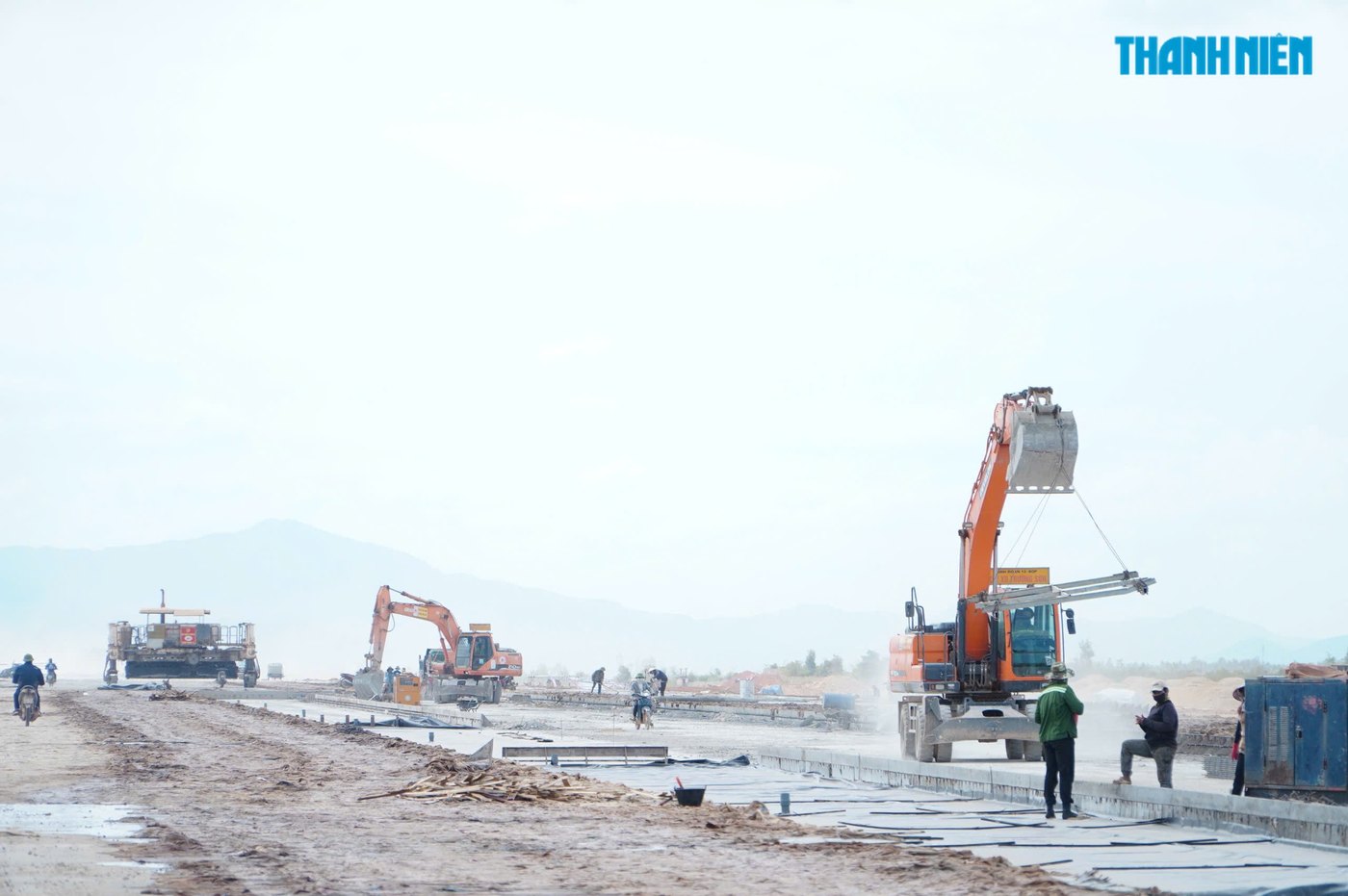
Quy Nhon–Pleiku Expressway: more than VND 1 trillion saved thanks to alignment adjustment
The 125.75 km expressway, with total investment of VND 43,734 billion, has had 97.3% of its cleared land handed over, mobilized 206 construction fronts and aims to complete in October 2029.
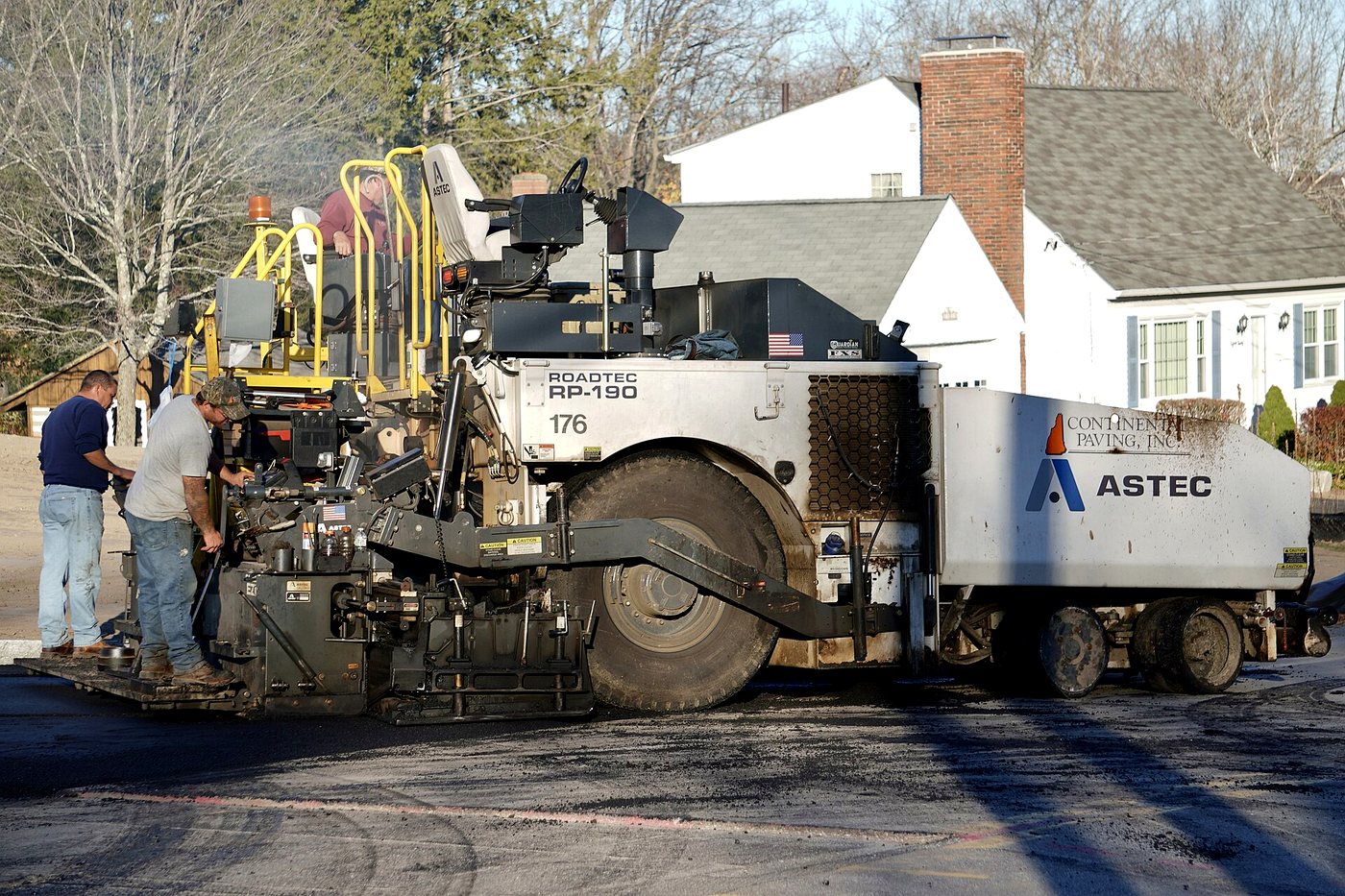
Quy Nhon–Pleiku Expressway: transport infrastructure opens new headroom for Gia Lai enterprises
The 125 km expressway connecting Binh Dinh with Gia Lai is being accelerated, driving demand for materials, construction and local logistics services.
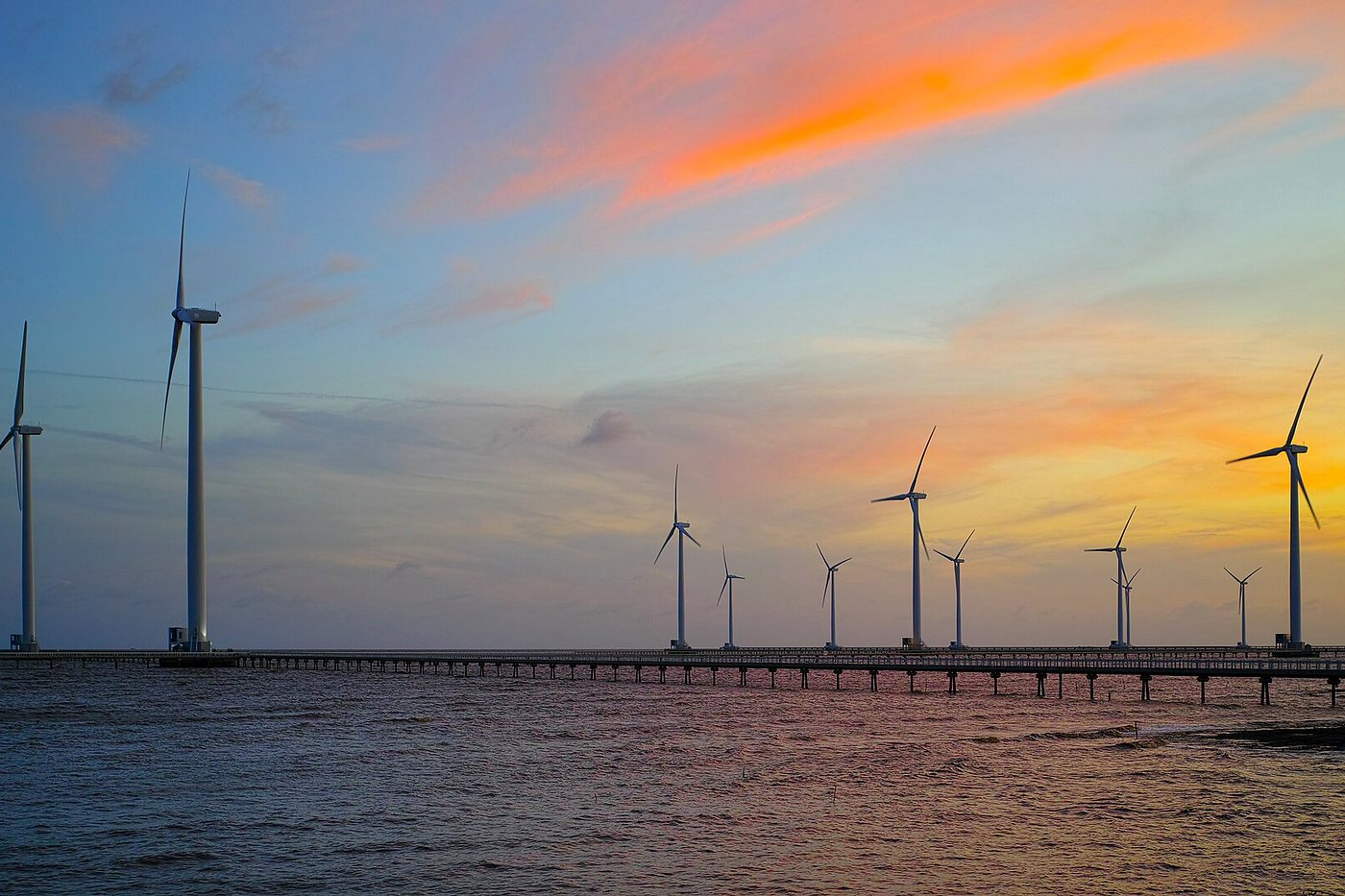
Gia Lai wind power: 39 projects by 2030 and opportunities for infrastructure contractors
Under the planning to 2030, Gia Lai has 39 wind power projects with total capacity of about 2,954 MW — driving demand for infrastructure, transport and civil construction.